
Handmade Jewelry: Authentic Craftsmanship You Can Trust
Handmade jewelry offers more than just decoration. It carries the story of the artisan’s skill, passion, and attention to detail. In a world flooded with mass-produced accessories, handmade pieces stand out for their authenticity and unique charm. If you want jewelry that reflects true craftsmanship and personal touch, handmade creations are the way to go.
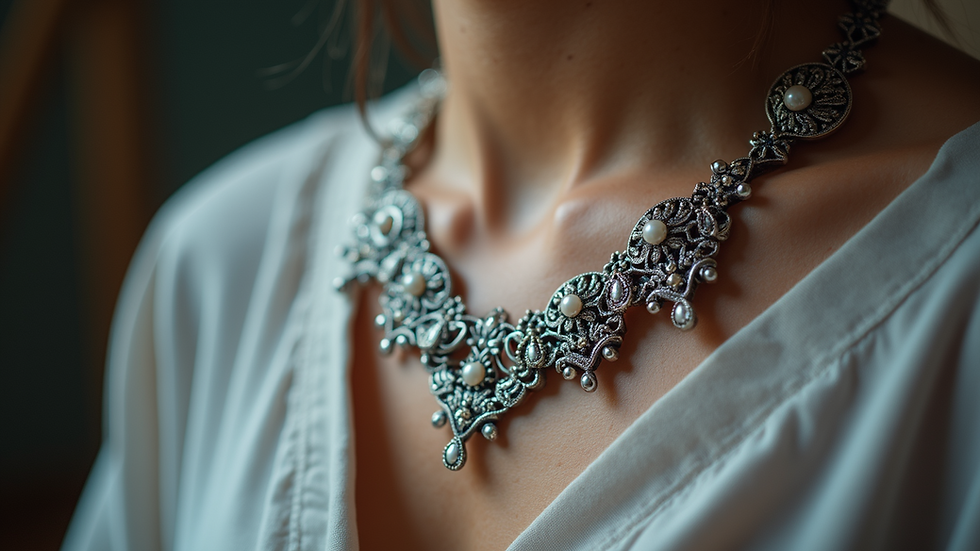
Why Choose Handmade Jewelry
Choosing handmade jewelry means investing in pieces that are carefully crafted, not churned out by machines. Each item is unique, often one-of-a-kind, reflecting the artisan’s creativity and expertise. Here are some reasons why handmade jewelry deserves your attention:
Unique Designs
Handmade pieces often feature original designs that you won’t find in mass-market stores. Artisans experiment with shapes, materials, and techniques to create something special.
Superior Quality
Artisans focus on quality over quantity. They select materials carefully and spend time perfecting each piece, resulting in durable and beautiful jewelry.
Ethical Production
Many handmade jewelry makers prioritize ethical sourcing of materials and fair labor practices. This contrasts with some mass-produced jewelry that may involve questionable supply chains.
Personal Connection
Buying handmade jewelry often means supporting small businesses or independent artists. You can learn about the maker’s story and the inspiration behind your piece.
The Craftsmanship Behind Handmade Jewelry
Handmade jewelry involves a variety of traditional techniques that require skill and patience. Understanding these methods helps appreciate the value of each piece.
Metalworking Techniques
Wire Wrapping
This technique uses thin metal wires to create intricate patterns or secure stones without soldering. It requires steady hands and precision.
Soldering
Artisans join metal parts by melting a filler metal, creating strong and seamless connections. This technique is essential for complex designs.
Hammering and Texturing
Adding texture to metal surfaces enhances visual interest. Hammering can create patterns or a rustic finish.
Stone Setting
Setting gemstones securely while showcasing their beauty is an art. Common methods include:
Prong Setting
Small metal claws hold the stone in place, allowing maximum light exposure.
Bezel Setting
A metal rim encircles the stone, offering protection and a sleek look.
Pavé Setting
Tiny stones are set closely together, creating a sparkling surface.
Finishing Touches
Polishing, plating, and patination give jewelry its final look. These steps enhance shine, color, and durability.
Materials Used in Handmade Jewelry
The choice of materials greatly influences the style and quality of handmade jewelry. Artisans often use:
Precious Metals
Gold, silver, and platinum are popular for their beauty and longevity.
Gemstones
Diamonds, sapphires, emeralds, and rubies add color and value.
Organic Materials
Pearls, wood, and shells bring natural textures and uniqueness.
Alternative Metals
Copper, brass, and titanium offer affordable and creative options.
How to Identify Authentic Handmade Jewelry
With the rise of handmade-style mass production, it’s important to spot genuine craftsmanship. Here are tips to help you:
Look for Imperfections
Handmade pieces may have slight variations or tiny marks that show they were made by hand.
Ask About the Maker
Genuine artisans are proud to share their process and background.
Check for Hallmarks
Precious metals often have stamps indicating purity and origin.
Feel the Weight and Finish
Handmade jewelry usually feels solid and well-finished, not flimsy or rough.
Caring for Your Handmade Jewelry
Proper care ensures your handmade jewelry lasts for years. Follow these guidelines:
Store Separately
Keep pieces in soft pouches or compartments to avoid scratches.
Avoid Chemicals
Remove jewelry before swimming, cleaning, or applying lotions.
Clean Gently
Use mild soap and a soft brush. Avoid harsh cleaners.
Regular Inspections
Check settings and clasps periodically to catch any damage early.
Supporting Artisans and Small Businesses
Buying handmade jewelry supports artisans who pour time and creativity into their work. It helps sustain traditional crafts and local economies. When you purchase directly from makers or trusted sellers, you contribute to a more ethical and personal shopping experience.
Examples of Handmade Jewelry Styles
Bohemian
Featuring natural stones, leather, and earthy designs.
Minimalist
Simple shapes and clean lines, perfect for everyday wear.
Vintage-Inspired
Designs that echo past eras with intricate details.
Statement Pieces
Bold, eye-catching jewelry that stands out.
Final Thoughts on Handmade Jewelry
Handmade jewelry offers authenticity, quality, and a personal story that mass-produced items cannot match. When you choose handmade, you invest in craftsmanship you can trust and own a piece that reflects individuality. Explore local artisans or online platforms to find jewelry that speaks to your style and values.
Take the next step by discovering a handmade piece that connects you to the art of jewelry making and supports the passion of skilled creators.

Comments